
Parent University
now open to all: all parents, all grades, all schools in the Roaring Fork Valley. Bring your friends!

more info and resources to check out for the Th Dec 4 “Conversation-Based Education” talk
How do Aspen Country Day School students learn to be active participants in their own learning? What’s the difference between lecturing as “a sage on the stage” versus challenging students to articulate, challenge, and defend their own understanding of a book or an idea? See how the important skills of curiosity and critical thinking are fostered from the earliest grades and right up to graduation.
Resources to explore in advance if you like
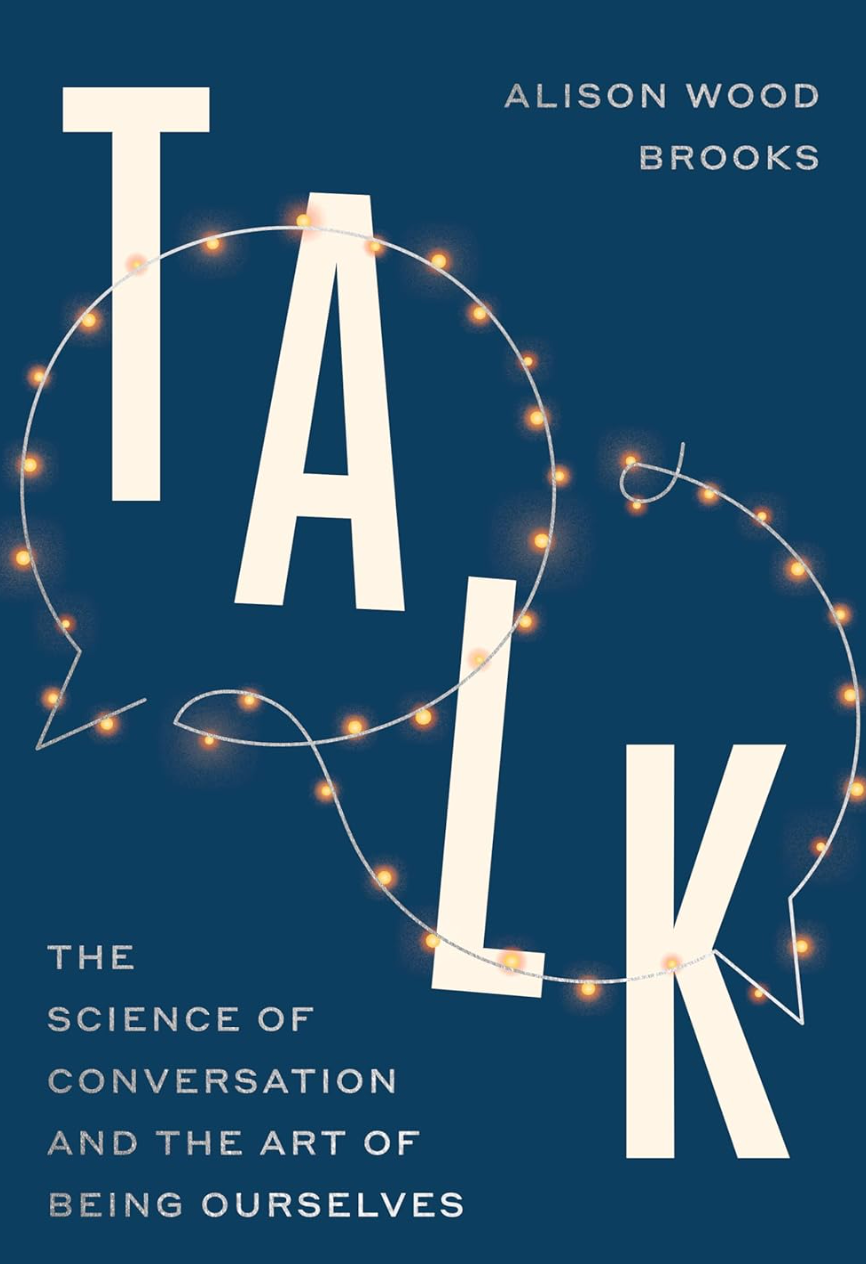
Book: TALK: the science of conversation and the art of being ourselvesby Harvard Business School associate professor Alison Wood Brooks
Podcast: You talk all day. Here’s how to do it better. Listen to the 10% Happier podcast with Dan Harris, Alison Wood Brooks
Article: All the Conversations that Kids are Missing on the After Babel newsletter Substack with Jonathan Haidt, with an interesting discussion in the comments about how conversation adds to reading comprehension.
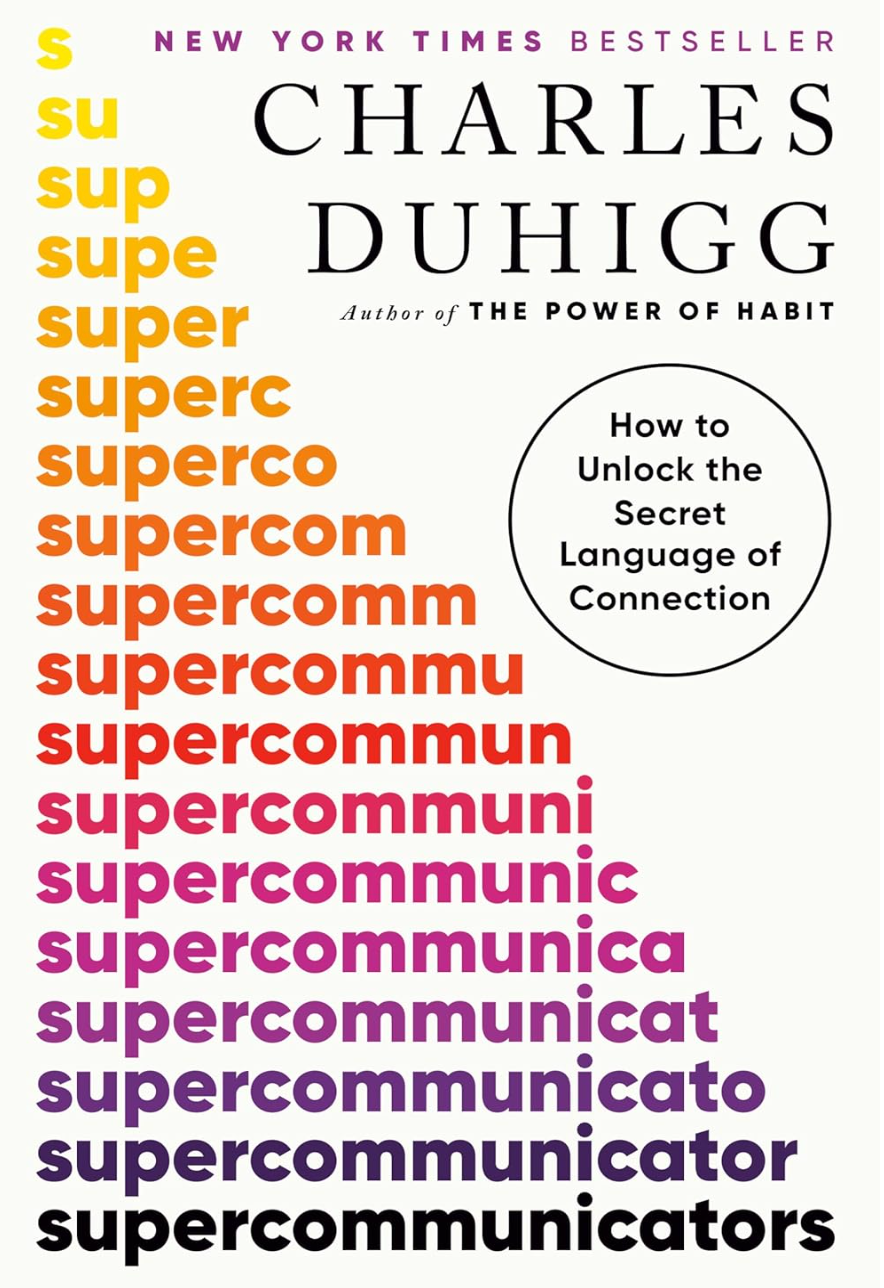
Book: Supercommunicators: how to unlock the secret language of connection,
by Charles Duhigg. Explore how some some people can make themselves heard – and hear others – more effectively
Podcast: How to have great conversations. Steve Levitt of Freakonomics interviews the author
Article: From Good To Great: what makes a ‘supercommunicator,’ from Stanford Graduate School of
Business
and more
- example of a college that has added a “discussion-based application” to its admissions process
- more about the Harkness Method, a discussion-based learning structure, from Phillips Exeter Academy

more info and resources to check out for the Th Dec 11 Jonathan Haidt book talk
Parents, all grades, and friends from anywhere in the Roaring Fork Valley community are invited to join a book club-style discussion of The Anxious Generation: how the great rewiring of childhood is causing an epidemic of mental illness. This informal book chat will tackle the many questions that this landmark book raises
for today’s families, such as:
- The book says that today we overprotect children and adolescents in the real worldand underprotect them in the virtual world. Do you see this happening? Where?
- Phones have reduced the amount of time kids spend playing in the real world: “Children are, in asense, deprived of childhood.” Do you agree? What exactly are kids missing out on?
- What do ACDS families think about Haidt’s suggestion of “no smartphones before high school” and “no social media before 16”?
- ACDS is a phone-free during school hours; where does use of screens in classroom (educational technology) fit in?
The book is available here or at any bookstore or library. But…
YOU DO NOT NEED TO READ THE BOOK to participate!
Here are some additional resources you might like:
Podcast: Hidden Brain interview with Jonathan Haidt
Article: “End the Phone-Based Childhood Now” in The Atlantic
Substack: Haidt’s latest research and writing on After Babel
Websites:
safescreens.org
screenagersmovie.com

more info and resources to check out for the T Jan 13 science of reading talk
Parents, if you have ever wondered what teachers mean by the “science of reading” approach to literacy instruction (a.k.a. learning to read) here’s your chance to find out more. Science of Reading is a research-based method that emphasizes explicit, systematic, and sequential instruction in foundational skills like phonics and phonemic awareness. Sara Lowe breaks it all down in an engaging discussion with Q&A. Please join us in Edlis-Neeson Hall after dropoff on Tuesday, January 13. Coffee & snacks available. And please, bring a friend!
Resources you might want to check out before or after
Podcast: “Sold a Story: how teaching kids to read went so wrong”
Curriculum: description of the curriculum framework that Aspen Country Day School reading instruction is based upon
Article: Why it’s important to read to your child from the Child Mind Institute

more info and resources to check out for the T Jan 27 middle school book talk
“Mention the words ‘middle school,’ and most adults groan. I get it.” So starts the introduction of a fascinating book that shows how parents can help kids not
just survive, but thrive in these important years of early adolescence.
Phyllis Fagell, LLPC, is a licensed clinical professional counselor, a certified professional school counselor, and journalist. She is a frequent contributor to On Parenting from the Washington Post, and she travels the country speaking to other professionals and parents about middle school issues. She has worked in public and private schools with students in grades K-12 and is currently the school counselor at Sheridan School in Washington, DC. Aspen Country Day School is pleased to bring Phyllis to the Roaring Fork Valley to share her practical wisdom for today’s parents. This will be a book talk with time for Q&A. Please join — no matter the age of your children today — and find out how middle school can actually be joyful.
Who: Author Phyllis Fagell on middle school
When: Tuesday, January 27, 5:30 pm
Where: Edlis-Neeson Hall on campus at Aspen Country Day School
For: all parents, all grades, all schools in the Roaring Fork Valley – bring friends!
Free and open to the public
Resources to check out:
Book (2019): Middle School Matters, the 10 key skills need to thrive in middle school and beyond – and how parents can help
Book (2023): Middle School Superpowers, raising resilient tweens in turbulent times
Podcast: Phyllis on the Parenting for the Present podcast
Article: in Edutopia, Guiding Middle Schoolers to Make Good Choices
Resources from past sessions
- Podcast with Ned Johnson, author of The Self-Driven Child
- Article about the book many ACDS parents enjoyed, The Self-Driven Child
- Author Wendy Mogul’s “Nature vs. Nurture” podcast
- Same author, another book: Blessings of a B Minus, Using Jewish Teachings to Raise Resilient Teenagers
- Same author, most famous book: The Blessing of a Skinned Knee: Using Timeless Teachings to Raise Self-Reliant Children
More resources from Aspen Country Day School parent sessions, talks, and events
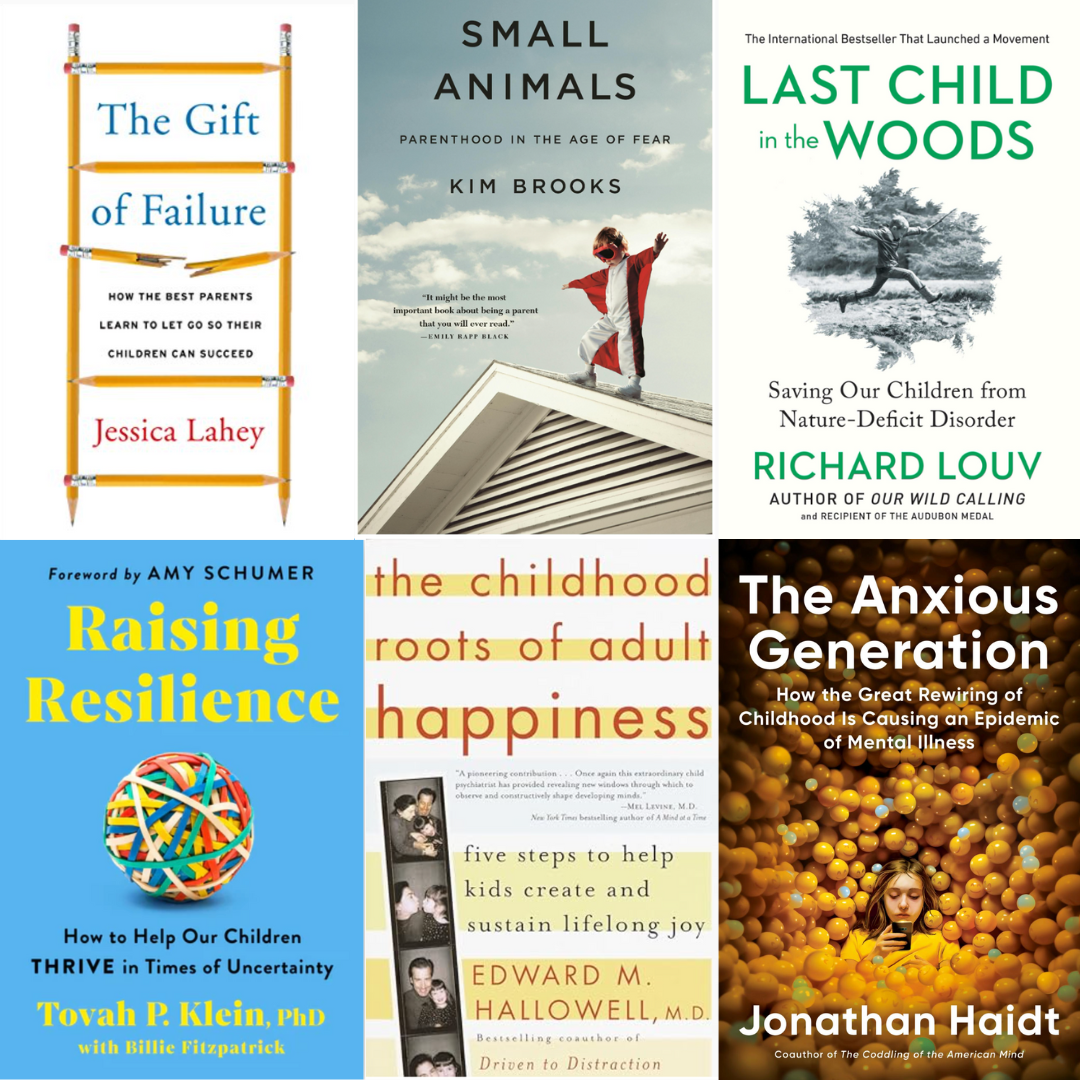
Book picks from Aspen Country Day School educators
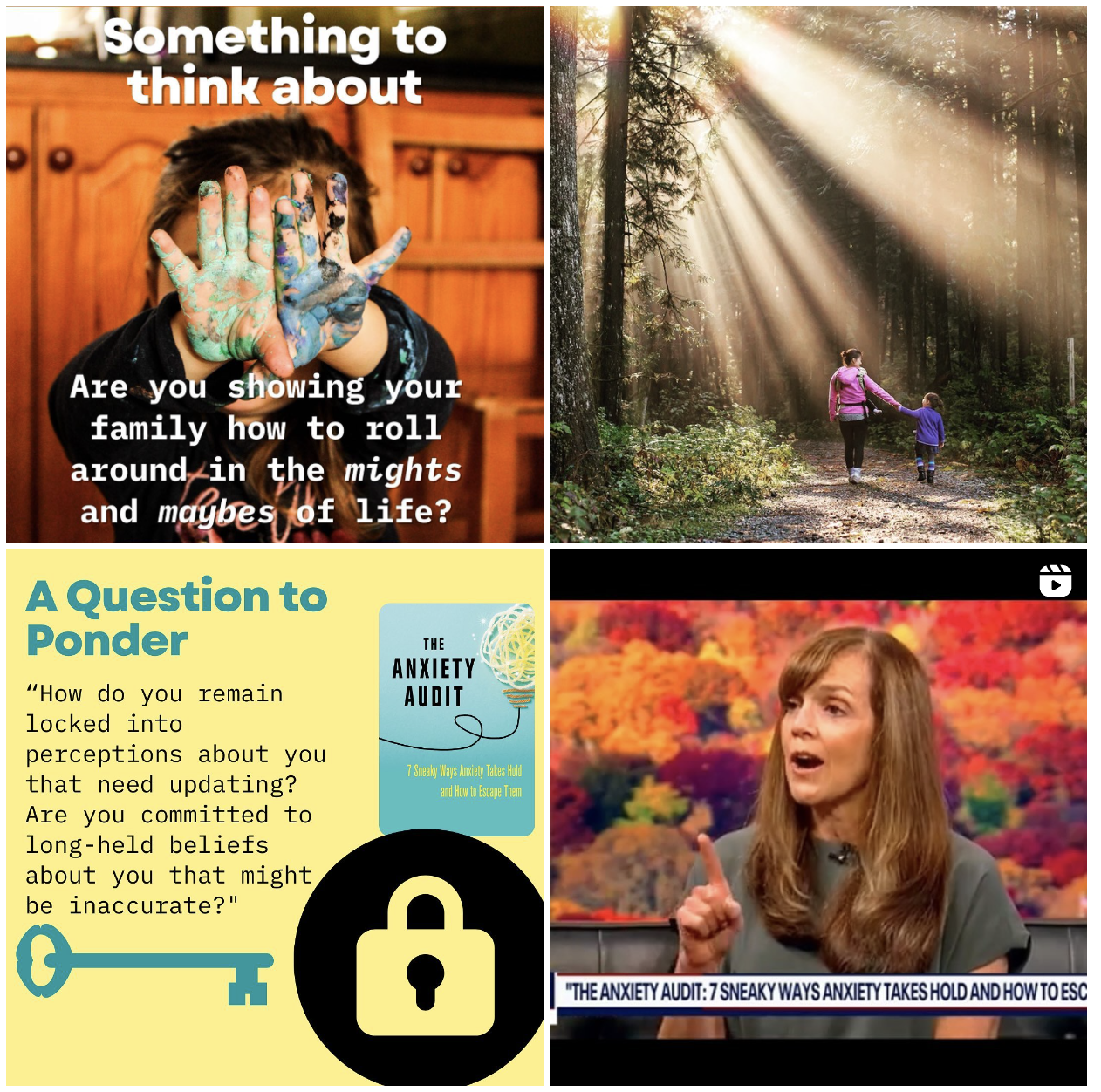
Discussion about anxiety: November 2024
With Lower School Head Adam Hancock. Thanks to so many parents for a great turnout for this session!
- Lynn Lyons on Instagram: posts and tips from a well regarded psychotherapist, author, and expert on childhood anxiety
- Podcast series: Flusterclux: fix anxiety with Lynn Lyons
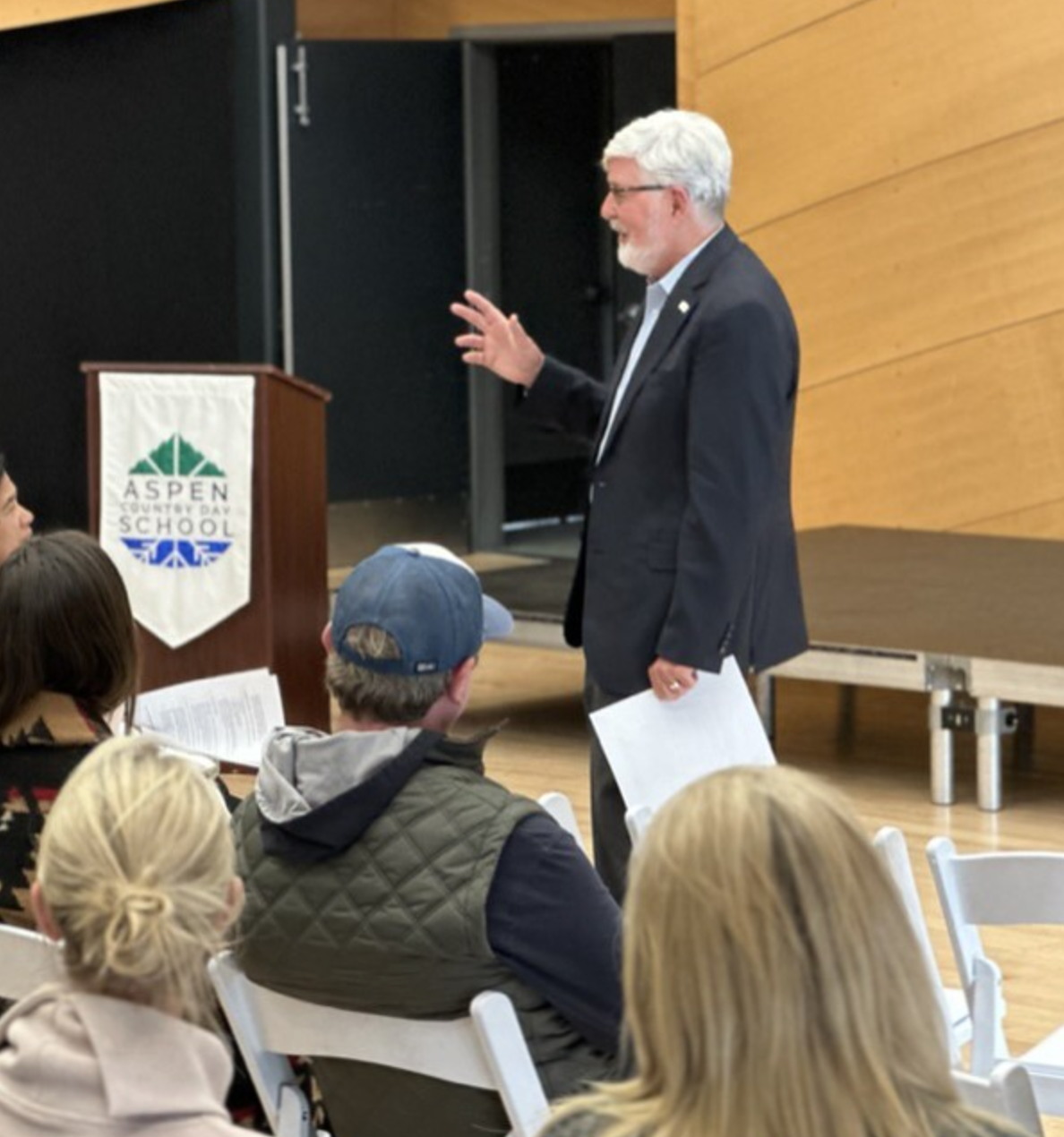
From Michael Thompson's visit to ACDS in September 2023
- Book: Best Friends, Worst Enemies: understanding the social lives of children
- Book: Raising Cain: protecting the emotion lives of boys
- Book: Homesick & Happy: how time away from parents can help a child grow
- Video: "You can't choose your child's friends"