
Stories
read, write, think: Humanities class, now throughout Middle School
June 12, 2025
Discovering the human story: Middle School Head Mark Bosick on “why Humanities” for all three grades
At ACDS, the Middle School Humanities program serves as the intellectual and moral compass of each child’s academic journey. During early adolescence, when students are naturally questioning “Who am I?” and “What do I believe?,” this integrated approach to literature, history, current events, and writing provides the perfect framework for exploring these fundamental questions while developing critical thinking skills essential for engaged citizenship.

Sixth Graders in teacher Zeke Tiernan’s Humanities class hosted a Cold War Documentary Film Fest for parents. They introduced and screened the short videos they made about topics ranging from the Cuban Missile Crisis to the Berlin Wall, from McCarthyism and the Red Scare to the Vietnam War.
In the Humanities model, now expanding into all three Middle School grades, students learn to read, write, and think critically about the shared experiences that make us human. They delve into thoughtful questions of history, literature, psychology, economics, and the social sciences.
Why integration matters for the developing adolescent mind
Rather than teaching English and History as separate subjects, we unite them because the adolescent brain thrives on making connections across ideas and experiences. Early adolescents are developing their capacity for abstract thinking and beginning to understand complex relationships between past and present, self and society. A novel can illuminate a historical moment, helping students develop empathy and perspective-taking skills. A primary source document challenges students to think critically about justice, leadership, and personal values. A well-crafted essay becomes a powerful tool for expression, allowing students to find and use their voice with confidence and purpose.
Expanding understanding through perspective
Our Humanities program integrates English language arts, literature, social studies, history, and elements of arts and culture, creating rich learning experiences where students explore complex themes through multiple lenses. Students read both classic texts and contemporary voices, analyze current events alongside historical movements, and express their ideas through diverse formats including writing, discussion, debate, multimedia projects, and performances. Throughout, we prioritize diverse perspectives and historically underrepresented voices, supporting our commitment to equity, inclusion, and global citizenship.
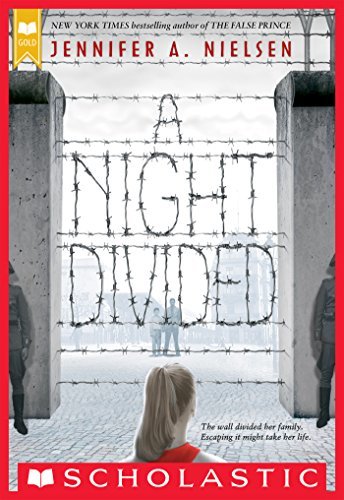
Where nationally we hear how some students finish high school without having read a single complete book, here in Middle School at ACDS, students are tackling full texts and engaging enthusiastically with their reading. Sixth Graders especially loved the most recent read in Humanities class: A Night Divided. Author Jennifer Nielsen writes about a 12-year-old girl whose family is torn apart in the postwar years in East Germany. “It was such a good story,” one Sixth Grader said; a parent who read along at home described the story as “riveting.”
Building citizens and scholars
Through Humanities, students develop not just academic skills but the cultural literacy, empathy, and critical thinking abilities essential for responsible citizenship. They learn to analyze multiple perspectives, engage with complex social issues, and communicate with clarity and conviction. Most importantly, they discover that learning connects across disciplines and into life, preparing them to be the thoughtful, engaged citizens our world needs.
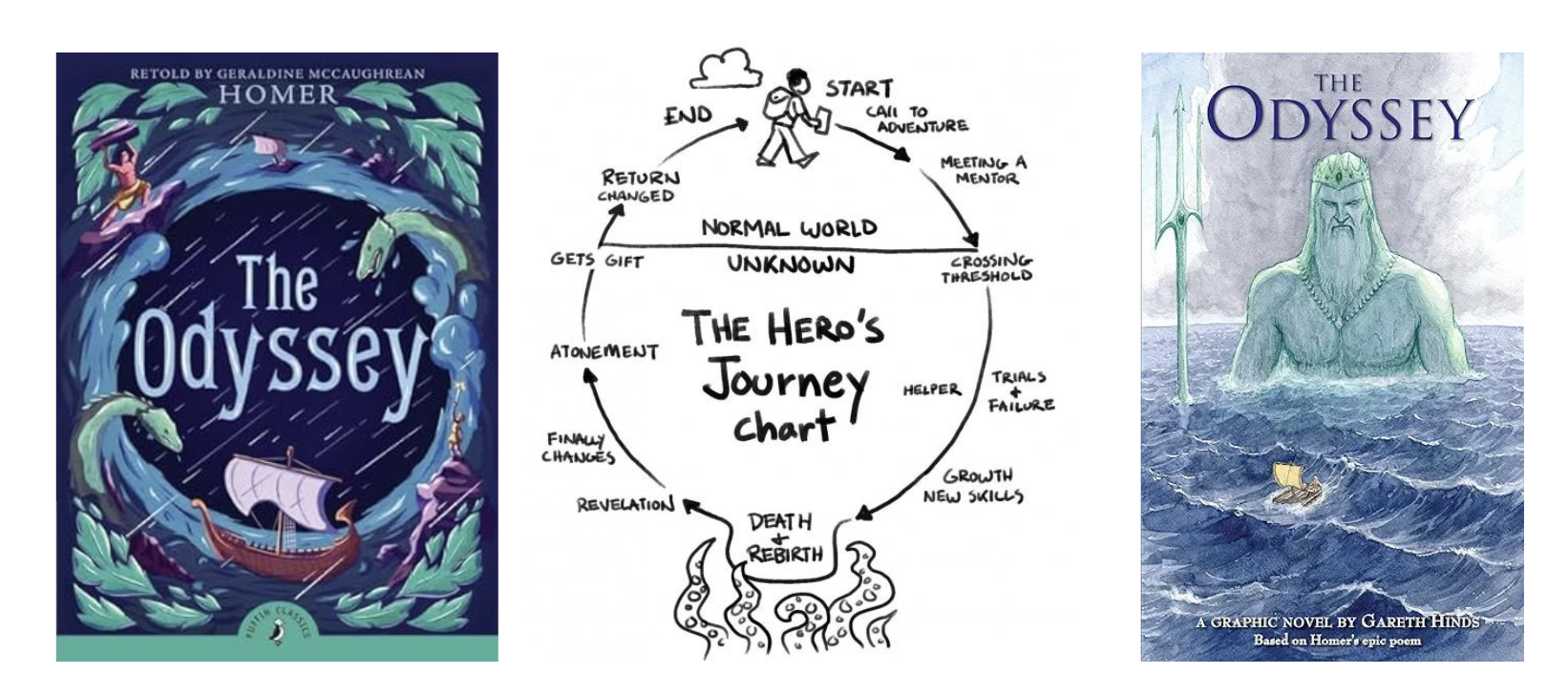
A favorite unit in Sixth Grade Humanities is “The Hero’s Journey.” Students read an abridged version of Homer’s Odyssey and also explore a graphic novel that retells the epic story in 250 paintings. They discover the structure of a heroic tale that starts in the ordinary world, moving into the unknown, enduring trials and failures, to a triumphant return.